

What's Really Holding Your House Up
People don't enter their ready homes asking about the footings. People see flooring, the entrance door, perhaps the wall color inside the living room. Why not? That's precisely what people see.
However, all that isn't what keeps the structure standing. Beneath the plaster and tiles, there lies the framework of reinforced steel bars encased in concrete. Once the shuttering is stripped away, it'll be the one thing you'll never see.
And that's precisely the issue: this is the one thing about construction you can't check afterwards, which is why you can't afford to make a mistake here.
Not All Steel Is the Same Steel
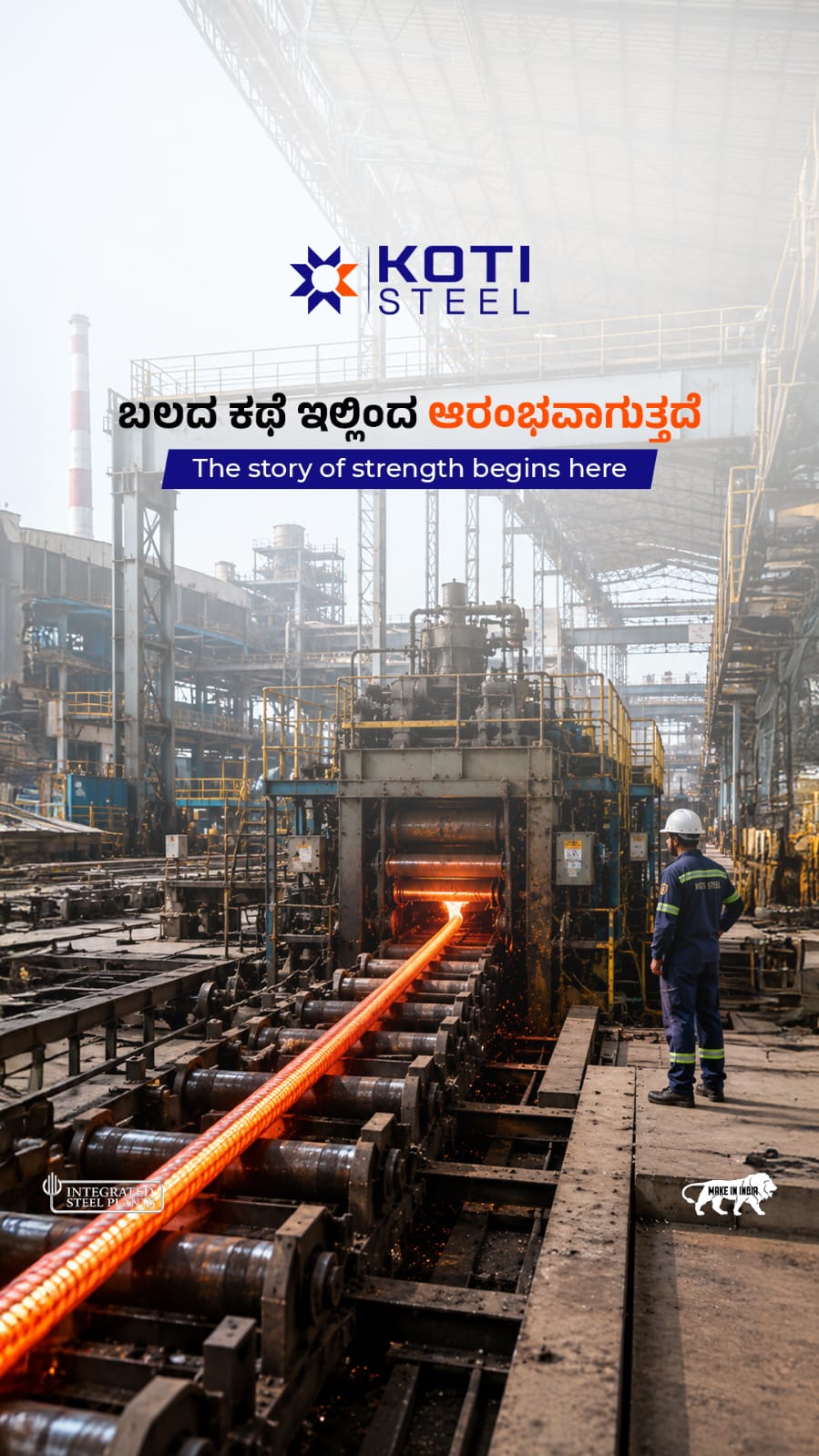
However, even when two bars of rebar appear to be identical, the ways in which they were made make them different. The primary steel, for example, produced by Koti Steels, originates from new iron ore, processed via blast furnaces. Strict control of chemical processes takes place during such production, and carbon, sulphur, and phosphorus content is minimized; this is what makes bars strong but capable of being deformed, not destroyed, when stressed.
When it comes to the re-rolled steel, it is produced from scrapped metal, melted in less sophisticated process. As a result, certain weaknesses in the bar, invisible until it is put under stress, can appear. They include air gaps or fragile areas.
Why Epoxy Coating Isn't Optional
However, even high-quality steel suffers from another issue – water. Concrete seems like an impenetrable material, but actually, it is porous; it contains capillaries through which the water will pass with time – particularly in cases of basements, footings, or in places where the monsoon rains saturate the soil over months.
Once the water touches unprotected steel, it starts rusting. This process does not only lead to weakening but also to swelling, six times bigger than initially. The expanded steel will expand itself until the surrounding concrete cracks from within – a process called spalling and it is very costly to remedy when it happens.
Epoxy coating is what prevents such process from happening. It is a layer applied on top of the bar, protecting steel from any contact with water, air and soil salts. In practical terms, it means:
- No inner rust cycle due to no moisture reaching the steel
- Safe footing for decades, not years
- The avoidance of retrofitting and cracking repairs
The Case for Fe 600D
In the modern construction of buildings, higher floor heights, increased open areas, and tougher seismic requirements mean that conventional-grade steels cannot do well without filling up every column with too many bars.
However, the Fe 600D grade is not like that; its yield strength is higher than 600 MPa so that each bar takes more load, which allows for more spacing between them in the column cage. This difference may seem minor but is much bigger than expected because the better the bars are spread in the column, the more the concrete flows in the right way during the pouring process. Otherwise, concrete tends to get stuck around crowded bars in the column cage, which results in honeycombing (air voids in the concrete).
"D" in the name of this steel indicates its ductility – it can elongate more than 16%.
Before You Accept a Delivery, Check This
A few minutes on-site when the delivery truck arrives could save you lots of trouble later:
- Look for the stamp. Legitimate steel bars will have the brand, diameter and grade stamped on them – something to the effect of "KOTI STEEL 12MM 600D".
- Check the coating. If you're getting epoxy coated rebars, the coating should be clean and undamaged – no scrapes where the steel is visible due to transport.
- Request the MTC. A Mill Test Certificate is proof that the batch met the IS 1786 specifications.
- Weight it. Steel rebars must be sold based on the measured weight at the weigh bridge using IS 1786 reference values (10mm ≈ 0.617kg/m, 12mm ≈ 0.888 kg/m, 16mm ≈ 1.580 kg/m).
The paint on your walls can be replaced when it becomes old and the tiles can be replaced anytime. But once the steel is installed in your wall, there is no going back.